
Institute for European Security Studies
Countering Disinformation in Central and Eastern Europe
Countering Disinformation in Central and Eastern Europe
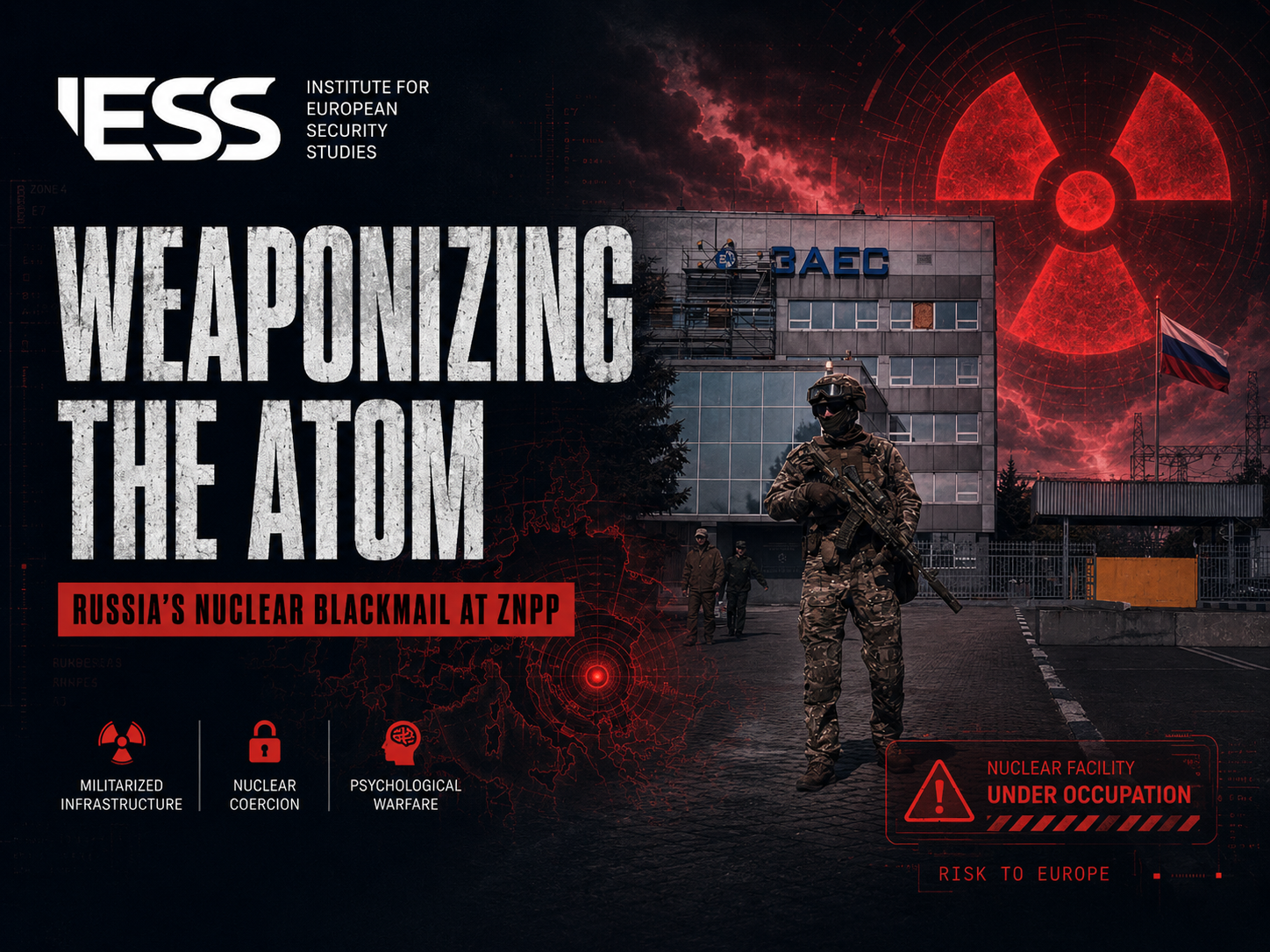
The weaponization of civilian infrastructure has become a defining characteristic of Russian military strategy.
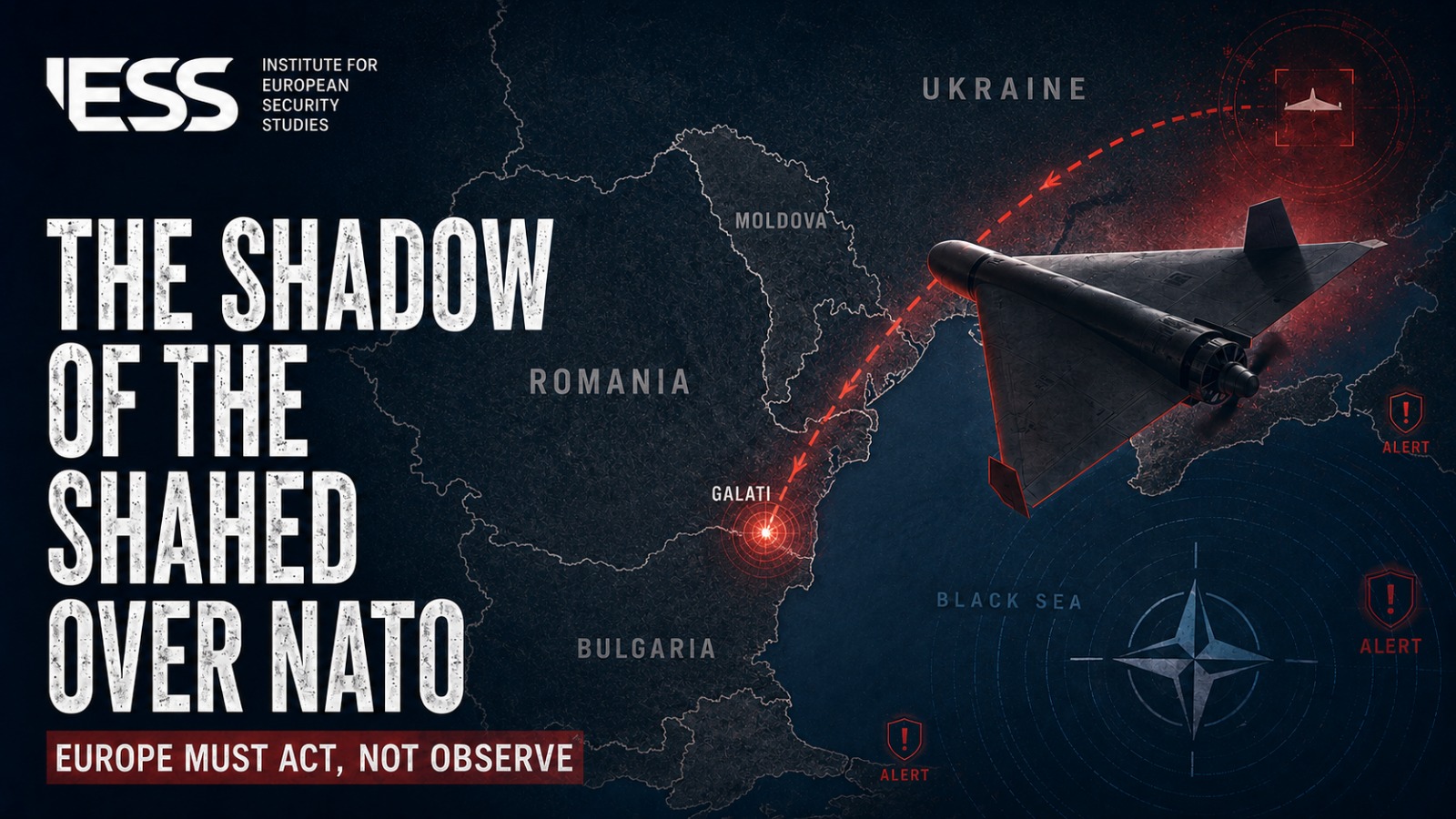
On the night of May 29, 2026, the war in Ukraine breached NATO territory once again, this time with devastating clarity.
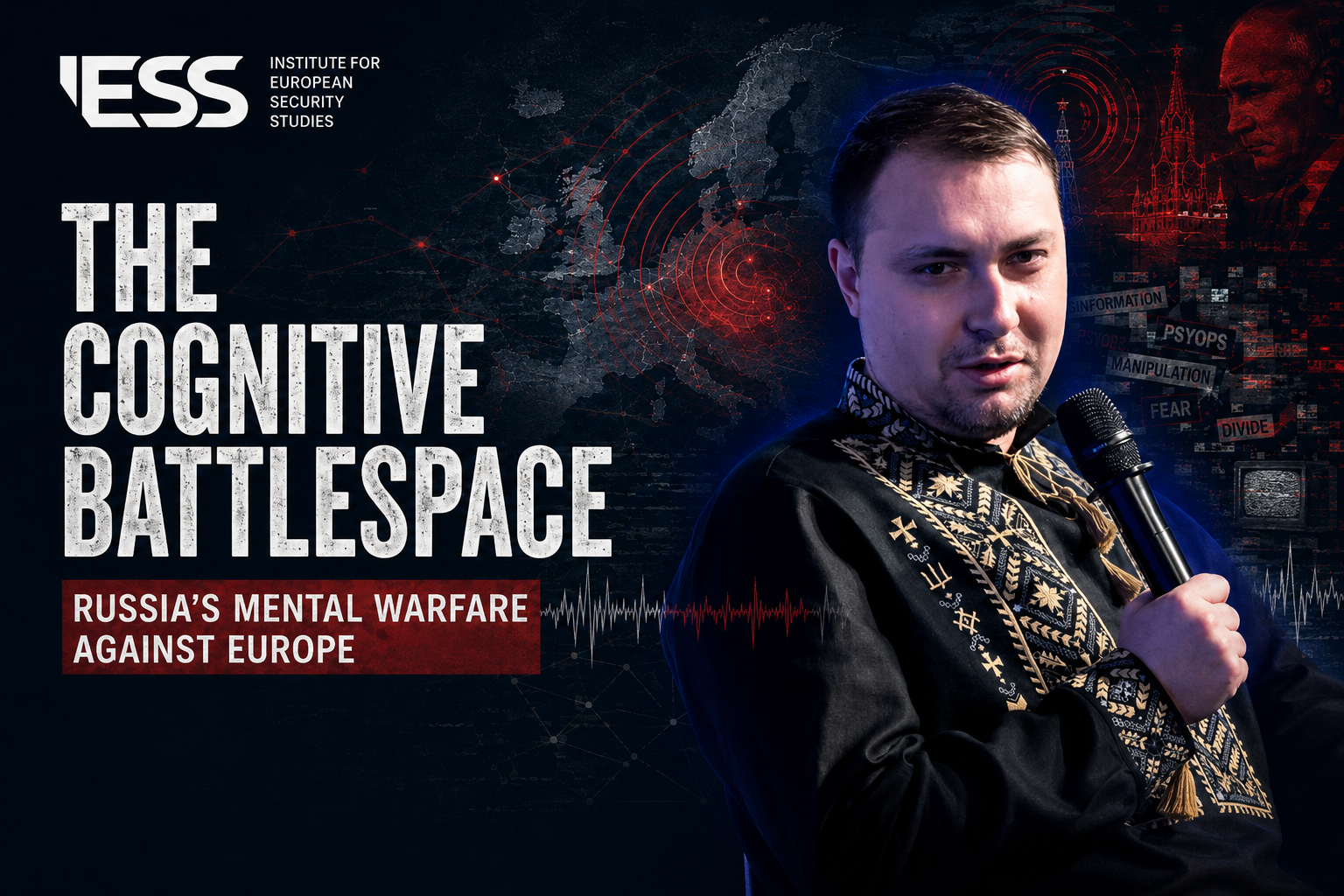
During the Kyiv Stratcom Forum 2026, Kyrylo Budanov, Head of the Office of the President of Ukraine, articulated a stark warning regarding the scale and sophistication of Russian Cognitive Battlespace, filled with PSYOPs. Backed by colossal historical experience in the distortion of meaning and reality, the Kremlin's current cognitive warfare in Ukraine is not a localized issue. Rather, it serves as a live testing ground for psychological tactics designed to subvert democratic institutions, fracture societal unity, and threaten the broader security architecture of Europe.

It can only be countered through tighter sanctions enforcement, unwavering support for Ukraine, and the robust fortification of NATO’s eastern flank.
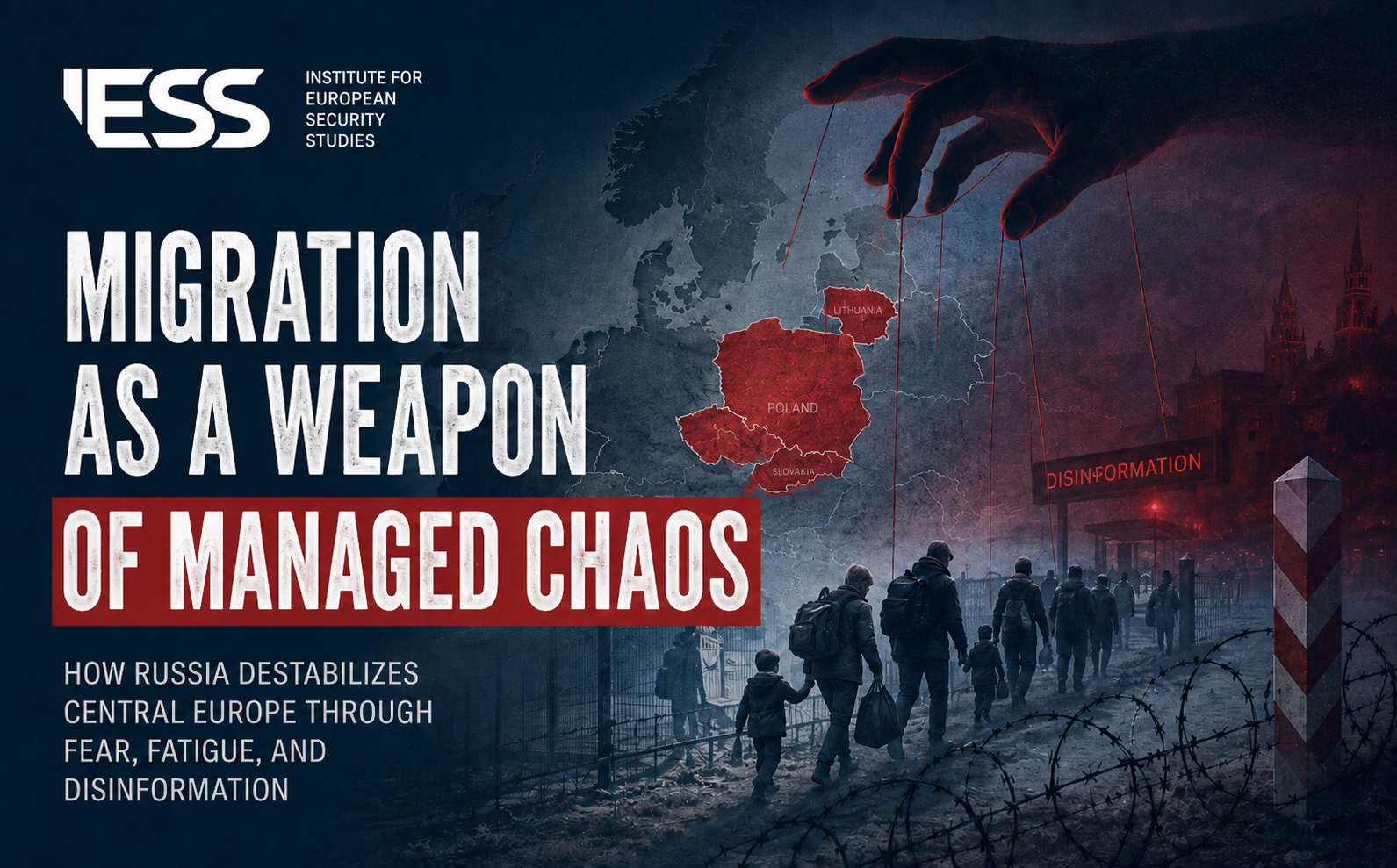
Migration in Central Europe is no longer only a humanitarian or border-management issue, but a growing instrument of hybrid warfare used by Russia to exploit public fatigue, fuel anti-Ukrainian sentiment, and weaken regional resilience. This article examines how migration-related fears are being politicized and amplified in Poland, Czechia, and Slovakia — turning the consequences of Russian aggression into a tool of destabilization against Ukraine and its European partners.

May 9, 2026, fixed the institutional paralysis and cognitive defeat of the Kremlin
Why Slovakia’s PM is flying to Moscow and why this is once again dividing the EU
How technological fires in Russia’s rear are destroying the myth of an unbreakable empire.
The appointment of Mykhailo Fedorov as Minister of Defense was not merely a personnel rotation, but a signal of a change in the very logic of managing the war.
What the story of Ukrainian grain from occupied territories actually means.
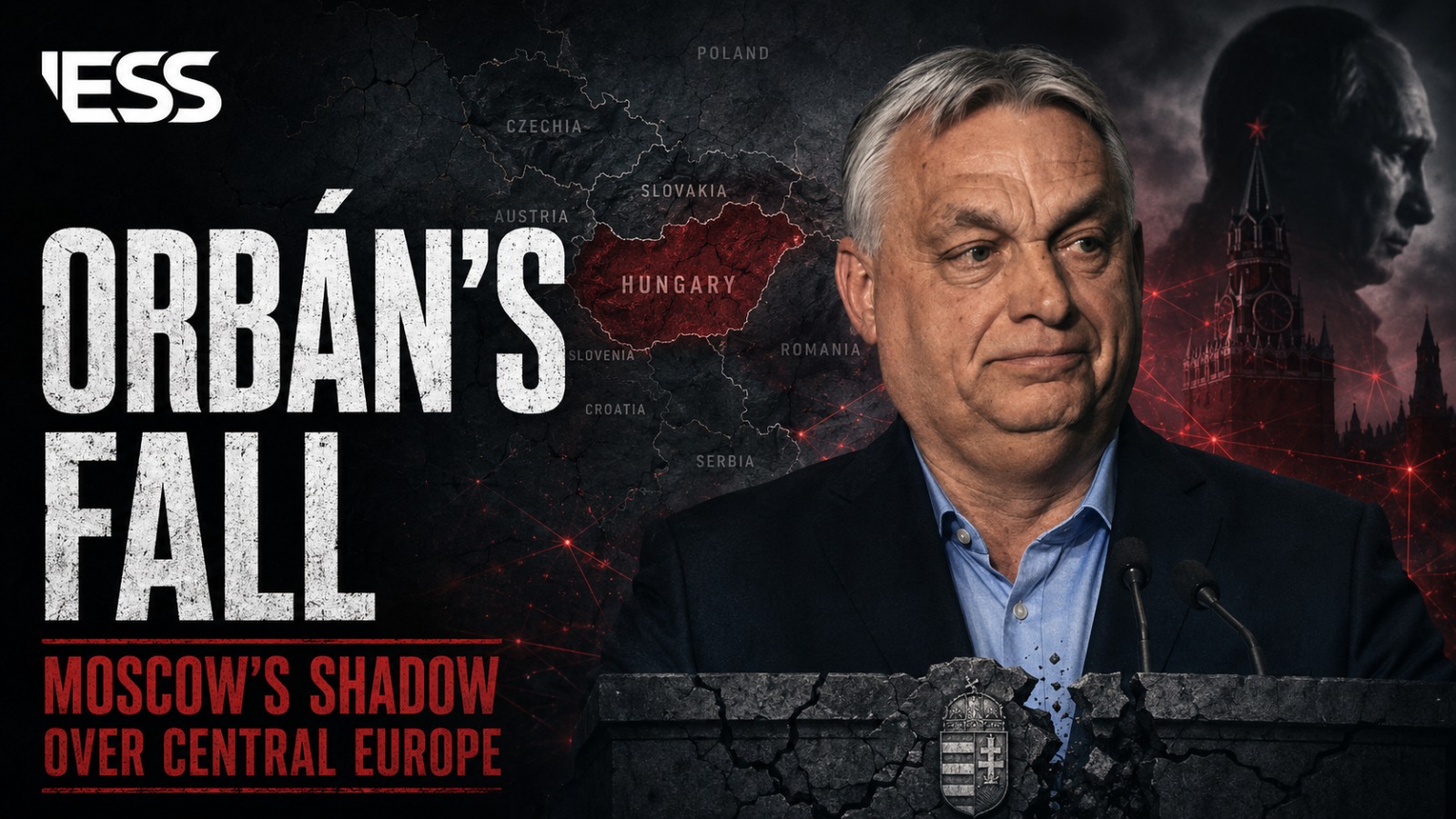
The fall of Viktor Orbán is not a story about how “external forces” broke yet another sovereign leader.

Any contacts with the Russian ambassador under the current circumstances cannot be regarded as a neutral diplomatic gesture.
Yes, this is indeed a catastrophe. But not the one Lukáš Machala is talking about.
In our explainer, we trace how Russia’s war against Ukraine unfolded long before the full-scale invasion of 24 February 2022. It follows the trajectory from the Revolution of Dignity and the occupation of Crimea through the hybrid war in Donbas, the evolution of Kremlin propaganda, and the escalation into Europe’s largest war since World War II. Along the way, it shows how narratives about “coups,” “Nazis,” elections, the church, and demonization of Ukrainian leaders were weaponized to justify aggression and later evolved into modern influence operations powered by digital networks, FIMI techniques, and AI-driven manipulation. This is not simply a campaign against Ukrainian statehood and agency, but an act of war against Europe. As Russia finalized its wartime mobilization model and prepares the capacity for further escalation, the war is unlikely to end quickly and will likely expand beyond its current form.
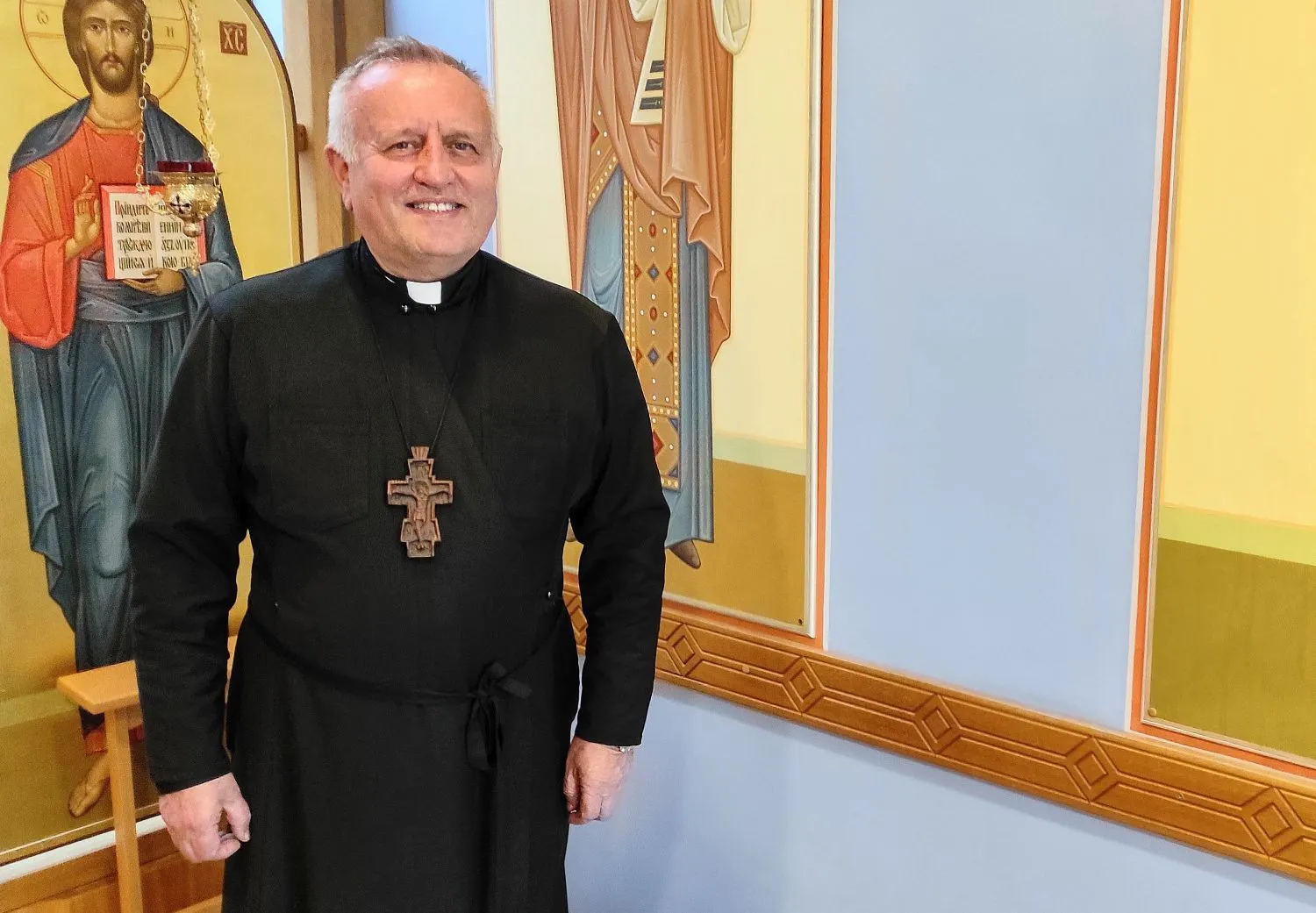
Peter Krenický, a Greek Catholic priest who has served in Ukraine for over 30 years, never takes a smile off his face, claiming that goodness is the best answer to everything. His story, when he was captured and tortured in Melitopol by Russian occupiers in November 2022, must have been read or listened to with astonishment by many, as he has maintained his sense of humor even in difficult times, and today he serves in a small village in Transcarpathia.
Ondřej Kundra's (Ne)bezpečí #47 with analyst Hlib Fiščenko on the dispute between the Ukrainian president and the Slovak prime minister over natural gas supplies from Russia.
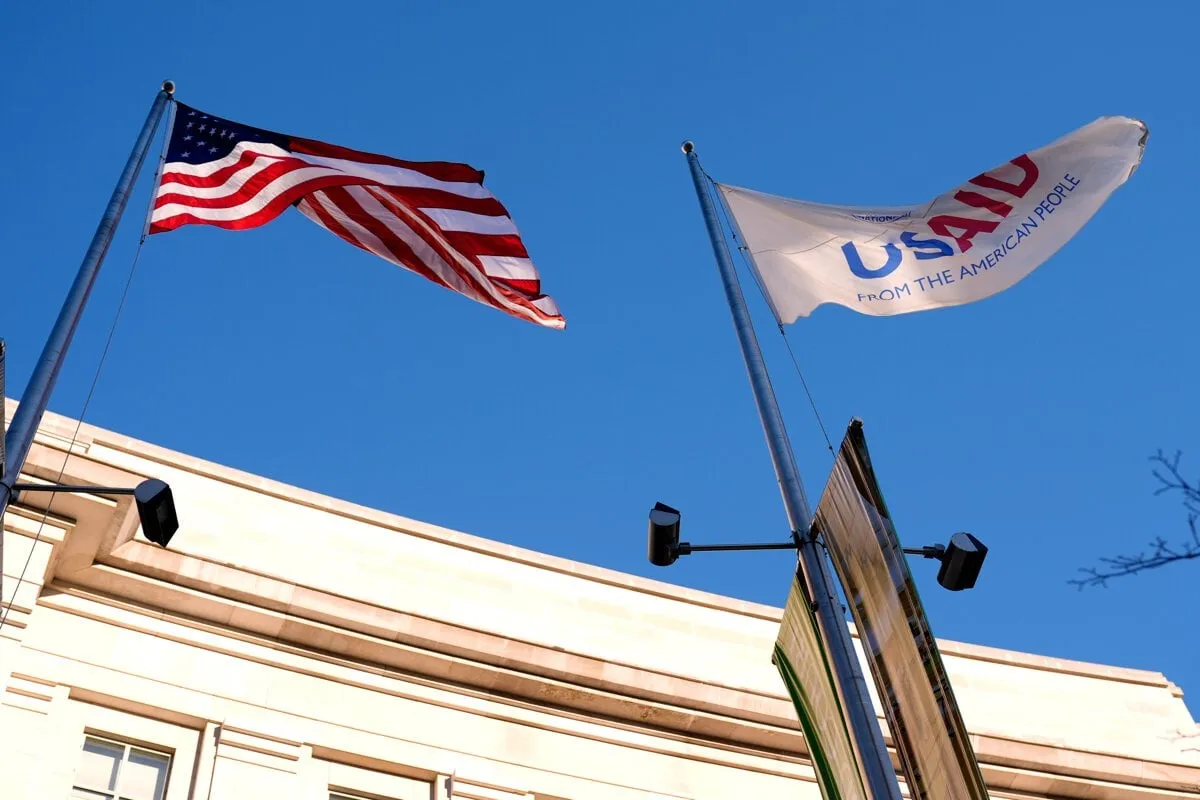
Some associations or organizations operate only on US-funded projects. Independent and anti-corruption media also have grants. For example, the film industry also receives grants, e.g. a documentary on the genocide of the Crimean Tatars received a grant

Protesters in Georgia are fighting for democracy, rapprochement with the EU and their personal future. Since the parliamentary elections in October 2024, which were overshadowed by allegations of manipulation, thousands of people have regularly taken to the streets, especially in the Georgian capital Tbilisi. In some cases, there has been massive police violence against demonstrators and journalists. A new level of escalation, while the pro-European movement has been facing repression for a long time. Who are the protesters and what helps them not to give up?
On January 14, 2025, Kyiv will host an important conference, "Peace for Ukraine: A Slovak Perspective," which will bring together public figures, journalists, and activists from Ukraine and Slovakia. This event is a symbolic and effective response to the diplomatic initiatives of Slovak government officials aimed at rapprochement with Russia and demonstrates that Slovak civil society stands firmly with Ukraine.

"Ukraine is not interested in continuing gas transit because this helps to finance a war against itself. That would be a suicidal step" said Vsevolod Vereshchahin, Head of Board of the IESS. "I don't think that the gas flow could be resumed, as Ukraine has repeatedly and well in advance warned that it will not happen", he added.
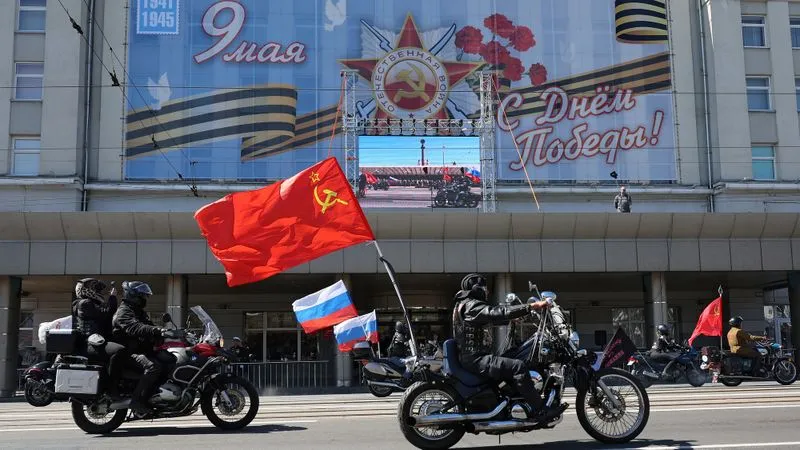
It is known that the Kremlin is spending huge sums of money to increase Russia's destructive influence in Europe, what the Russian special services call 'information and education activities'. This beautiful name, which is supposed to promote the 'Russian world', the 'Russian soul' or 'Russian hospitality', is in fact nothing more than propaganda, which contains all the elements of information and psychological operations (IPSO).
"This is just the kind of populist talk that the Prime Minister is doing, but I don't know why he is doing it. If we are confident in Gazprom ceasing to be a tool for financing the war new contracts could be signed, now it doesn't look like it," reports Hlib Fishchenko, Director of the Institute for European Security Studies.
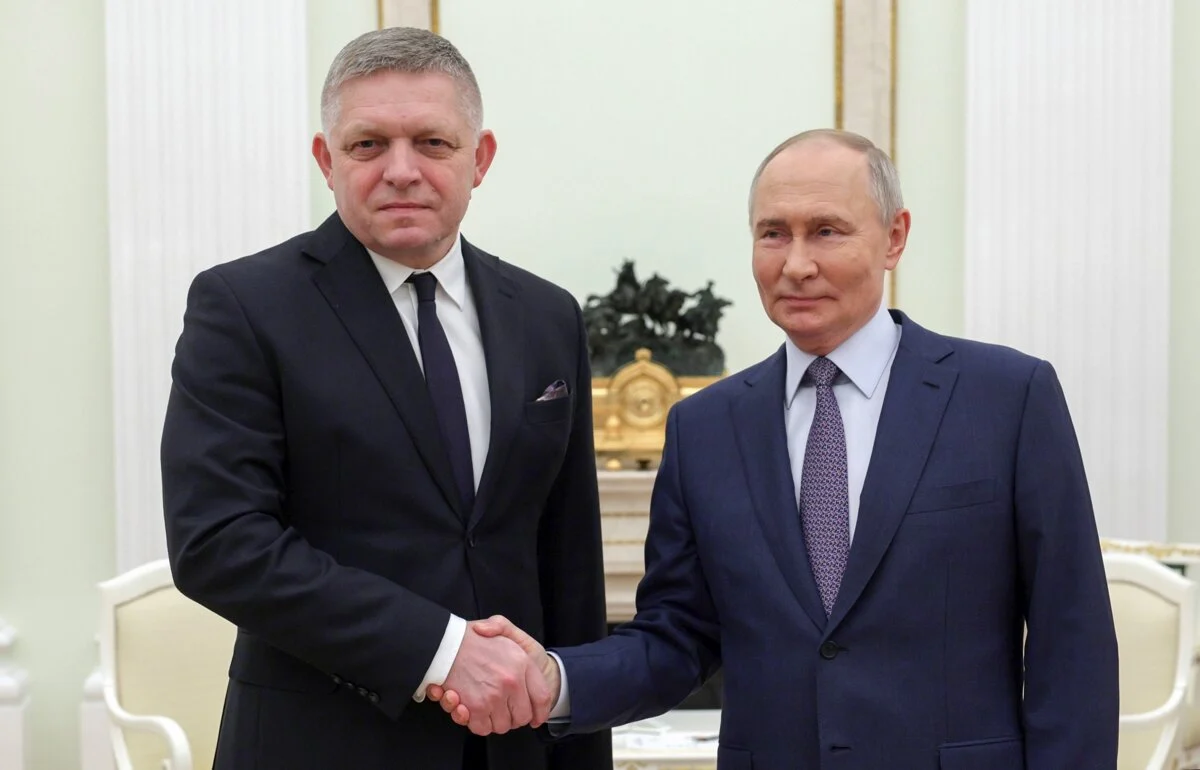
Fico’s visit to Kremlin is an attempt to legitimize Putin in Europe. "Russian media and Telegram channels have started to spread the information that Fico has broken down the wall between the West and Russia"
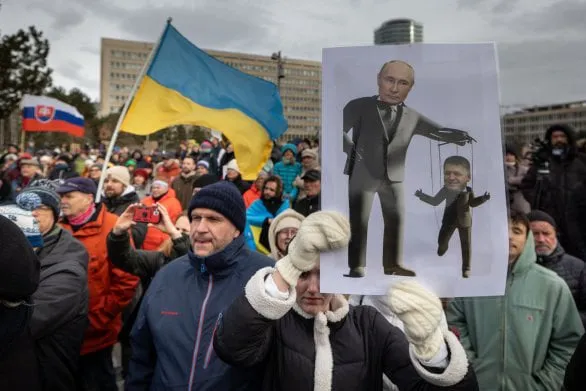
The Head of the Ukrainian Institute for European Security Studies, Hlib Fishchenko, pointed out that after Fico's meeting with Putin, "narratives spread among Ukrainians by common observers, for example, on social network X and influential users of other social networks, including Telegram, who do not understand Slovak political realities. They write that Fico is a 'dovbojov', a vulgar word Zelenskyy used to describe Putin.
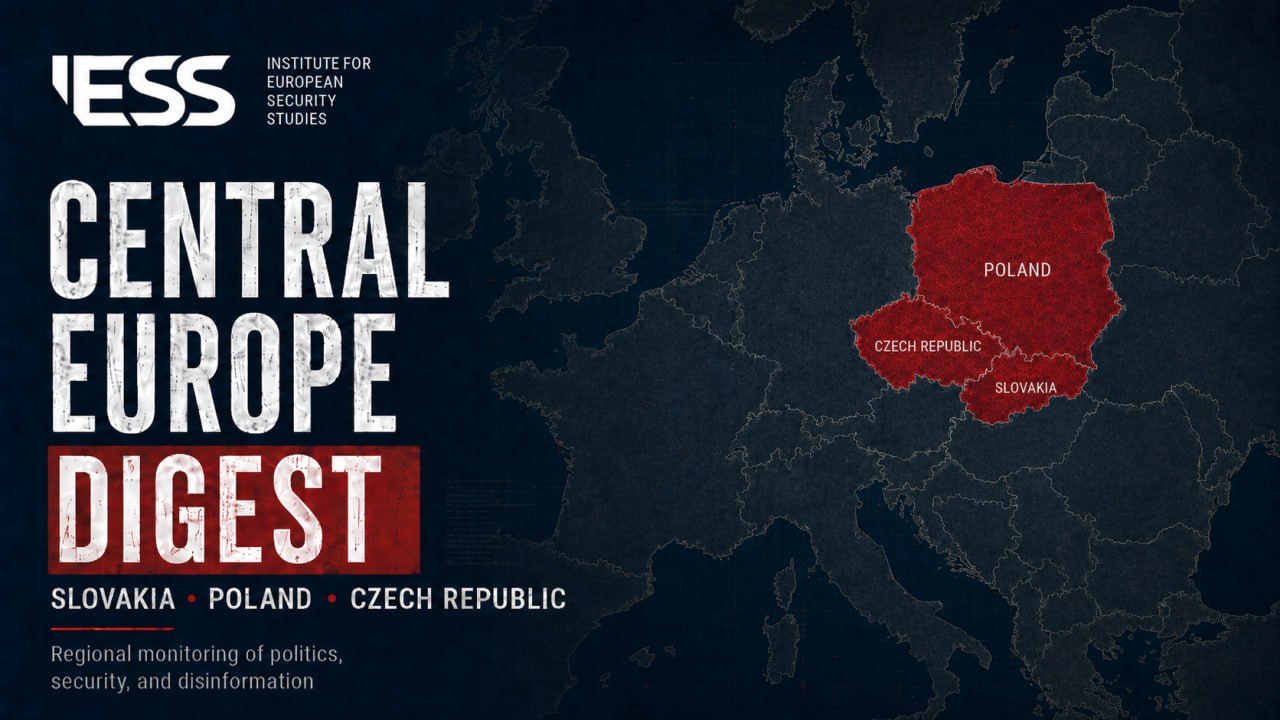
Slovakia demonstrates tension between formal NATO commitments and the symbolic politics of Fico's government: a public condemnation of the Galați incident sits uneasily alongside a Russian-funded ceremony at a Soviet military cemetery. The Czech Republic is facing a quiet but significant erosion of one of its most tangible contributions to Ukraine's defense, as the ammunition initiative loses financial partners under a government that has made its disinterest clear. Poland is navigating between an externally assertive stance on Russian provocations and a domestic political environment that has become measurably more volatile. Across all three countries, the Galați drone strike served as an unplanned test of Allied reflexes. The responses it produced varied considerably.

Slovakia is deepening its confrontation with EU institutions while its government resists external pressure on democratic standards and integration policy. The Czech Republic faces the dual task of pushing for a more assertive NATO while defending domestic political space against historical manipulation and suspected foreign interference. Poland, meanwhile, is making substantial hard security investments while navigating the tensions between allied solidarity, domestic opinion, and an active disinformation environment. Across all three countries, the lines between internal politics, regional security, and Russian hybrid operations continue to blur.
Recent developments highlight how Central European states navigate intersecting security and political pressures nowadays. In Slovakia, the government's pro-Russian stance remains unchanged despite the physical reality of the war reaching its borders. The Czech Republic is actively defending its sovereignty on two fronts: protecting historical memory and dismantling modern digital sabotage networks. Meanwhile, Poland demonstrates strict foreign policy pragmatism – prioritizing the rescue of its citizens over regional agreements, while managing the uncertainties of shifting US military commitments.
This week’s diplomatic and security landscape highlights the layered pressures Central European governments must manage concurrently. In Slovakia, the resumption of Druzhba transit produced a cascade of concessions within days, drawing Bratislava back toward cooperation on sanctions, the EU loan, and bilateral diplomacy with Kyiv – though the Moscow visit illustrates the limits of this recalibration. In the Czech Republic, accession to the Special Tribunal agreement consolidated Prague's position among states committed to accountability, while the routine processing of Fico's overflight request demonstrated a preference for procedural over symbolic confrontation. In Poland, a major analytical report on Russia's hybrid campaign and concurrent negotiations over US force levels defined the week, combining a detailed assessment of existing threats with active efforts to reinforce the alliance structures designed to deter them.
This week has brought several notable news across the CEE: in Slovakia, energy leverage was exchanged for procedural compliance in a transaction that unblocked both the EU loan to Ukraine and the 20th sanctions package, while Fico preserved his Moscow visit through adjusted symbolic framing. In the Czech Republic, Prague answered Russian military coercion with institutional clarity, while a domestic dispute over public media funding opened a separate political front that the government has yet to resolve. In Poland, the Macron visit delivered signed defense agreements alongside the first operational details of a bilateral nuclear deterrence framework, advancing the most substantive security integration exercise on the Alliance's eastern flank since the full-scale war began.
This week in Slovakia, Fico converted energy grievances into formal litigation and confirmed his Moscow plans for May, supported by polling that explains why neither move carries significant domestic political risk. In the Czech Republic, Prague demonstrated a capacity for clear diplomatic signaling on Russian coercion while continuing to manage its NATO spending commitments through process rather than decision. Poland presented the most internally contradictory picture: a president escalating an information campaign against a government that actually governs, while that same government signaled to Ukraine that the road to Brussels remains as procedurally demanding as it has ever been.
The week of 6–12 April 2026 will be remembered primarily for the Hungarian election result, whose centripetal effects across the region became legible almost immediately. In Slovakia, Fico's rapid rhetorical repositioning confirmed what EU officials had privately assessed all along: Bratislava's obstructionism was always partly borrowed authority, and without Budapest's institutional mass behind it, it is constrained by a fiscal dependency Fico cannot afford to test. In the Czech Republic, the week exposed a government whose prime minister publicly endorsed a losing Eurosceptic autocrat on the eve of that autocrat's defeat, while simultaneously fighting to silence a president whose points about transatlantic solidarity proved, within forty-eight hours, rather more prescient than inconvenient. Poland, as in preceding weeks, presented the most structurally coherent picture – but coherence of intent does not resolve a constitutional stand-off in which both sides have strong reasons to escalate and neither has an obvious off-ramp before the 2027 electoral season reshuffles the incentives entirely.
The first days of April sharpened patterns already visible in preceding weeks. In Slovakia, the leaked Blanár-Andrejev transcript would move Bratislava's accommodation of Moscow from the realm of rhetoric into documented diplomatic coordination, a threshold the region has not previously crossed. The Czech Republic illustrated how governing credibility erodes on multiple fronts simultaneously: energy lectures abroad, constitutional friction at home. Poland remained the region's most coherent strategic voice while also its most exposed pre-electoral arena, its pro-Atlantic consensus increasingly contingent on partners it can observe but not control.
The last week of March exposed the region's fault lines in sharp relief. Slovakia is running a controlled escalation: Fico's threats are real enough to register in Brussels, but structural dependency keeps them short of the point of no return. The Czech Republic is paying the price for trading security spending for social popularity, with the Pardubice attack making that trade-off impossible to ignore. Poland remains the most strategically coherent actor in the region, yet both the barrier decision and the Polexit debate are quiet reminders that even the firmest pro-Western commitments rest on foundations that require maintenance — not merely declarations.
Slovakia has turned the Druzhba pipeline into a full-fledged pressure instrument, testing how much the EU can absorb from a member state openly coordinating with Hungary against the common position on Ukraine. In the Czech Republic, the government dismantles anti-Russian defences against the backdrop of the first attack on defence manufacturing, while society responds with mass protests. Poland remains the region's most strategically coherent actor – alert to Washington's rhetorical drift on NATO, yet clear-eyed about its own interests and willing to defend them through both legal and diplomatic means.